
Our Work
Our lab group works in a variety of areas within the field of conservation genetics and genomics.

Population Genomics
Population genomics helps us to understand how populations are interacting across a landscape over time, which is valuable information for conservation managers.
Environmental DNA
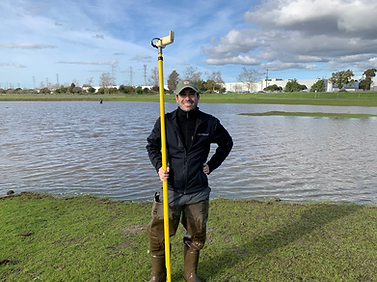
Organisms are constantly shedding DNA and RNA into the environment. The detection of environmental DNA (eDNA) and RNA (eRNA) from water, soil, or feces can reveal what species inhabit a location or what they are eating. We use single species (e.g., qPCR) and multi-species (e.g., metabarcoding) approaches to contribute to species monitoring and conservation.
_tiff.png)

CRISPR Based DNA/RNA Detection
SHERLOCK is a CRISPR based technology using the Cas 13a enzyme for genetic species detection. We use it to detect eDNA or eRNA of both endangered and invasive species as well as distinguish between morphologically similar species or populations.
Conservation Aquaculture
Conservation aquaculture programs are crucial to ensure the existence of endangered species. See how our lab uses genetic techniques to support captive breeding of endangered fishes.
